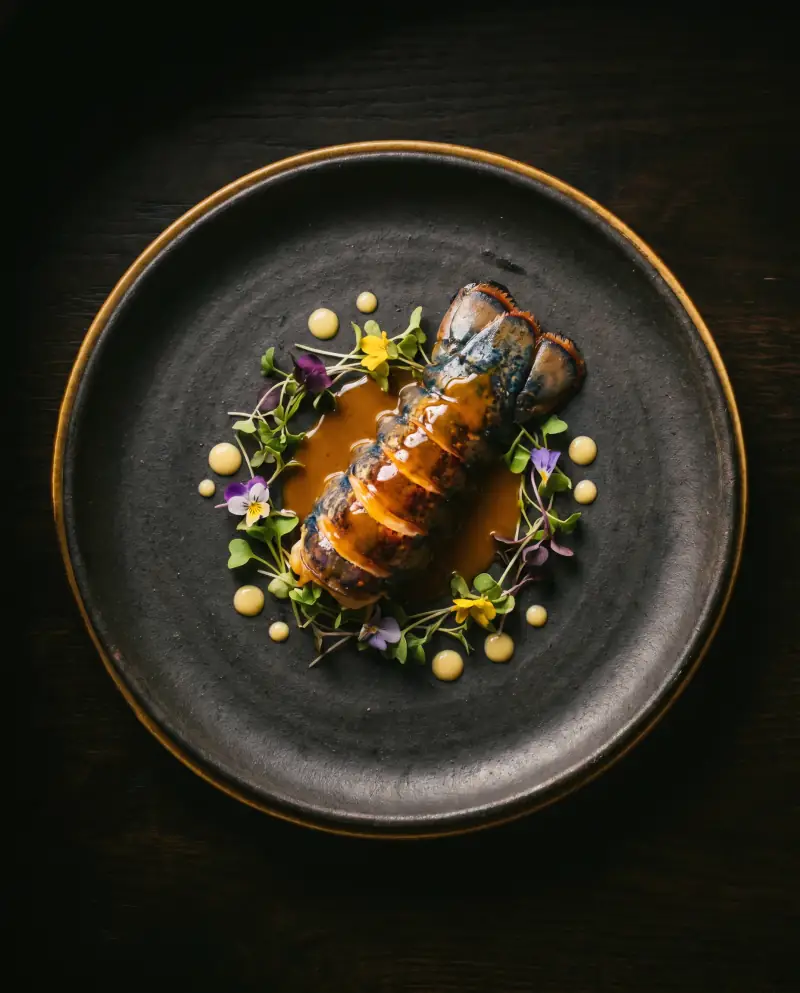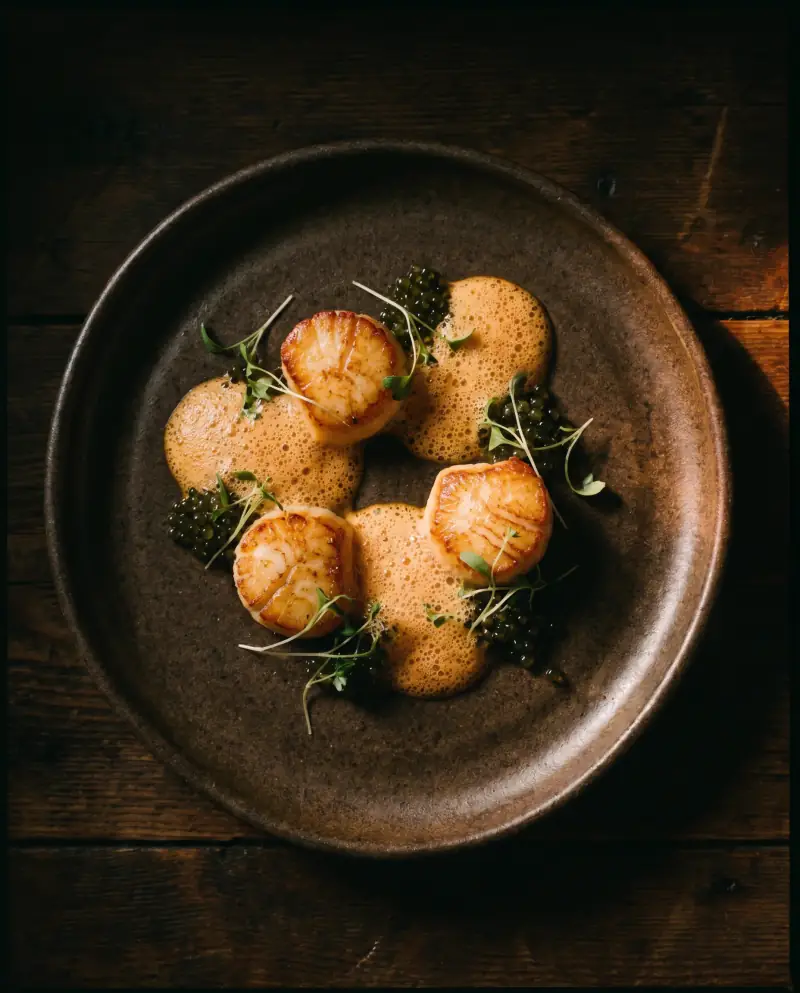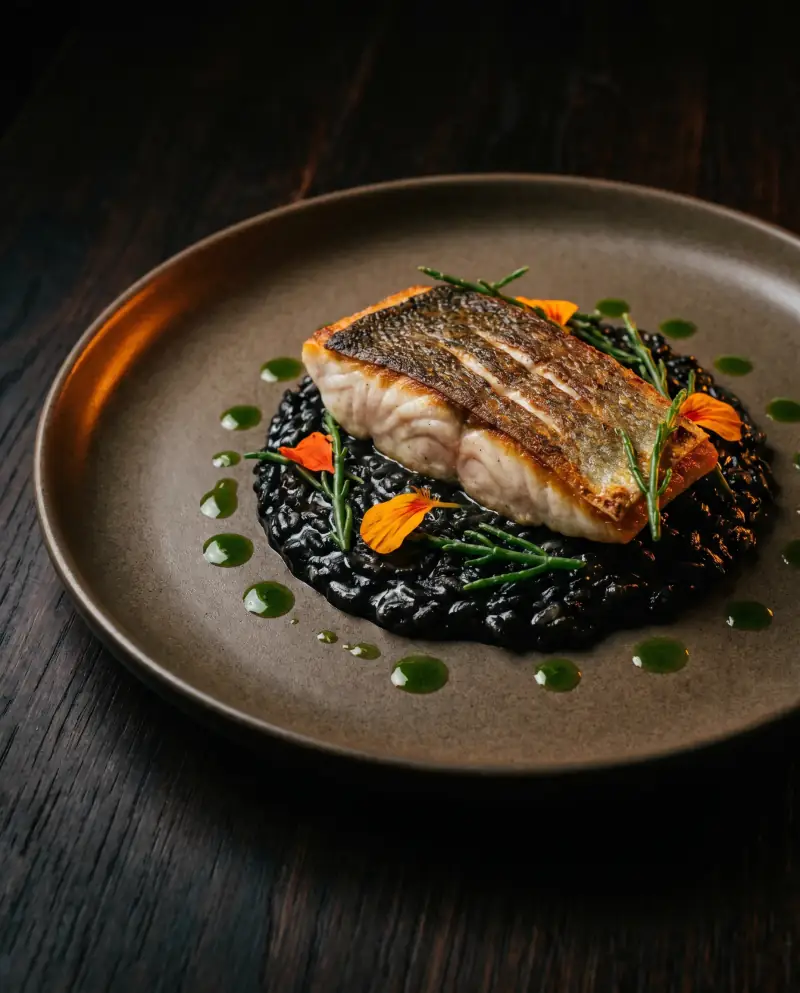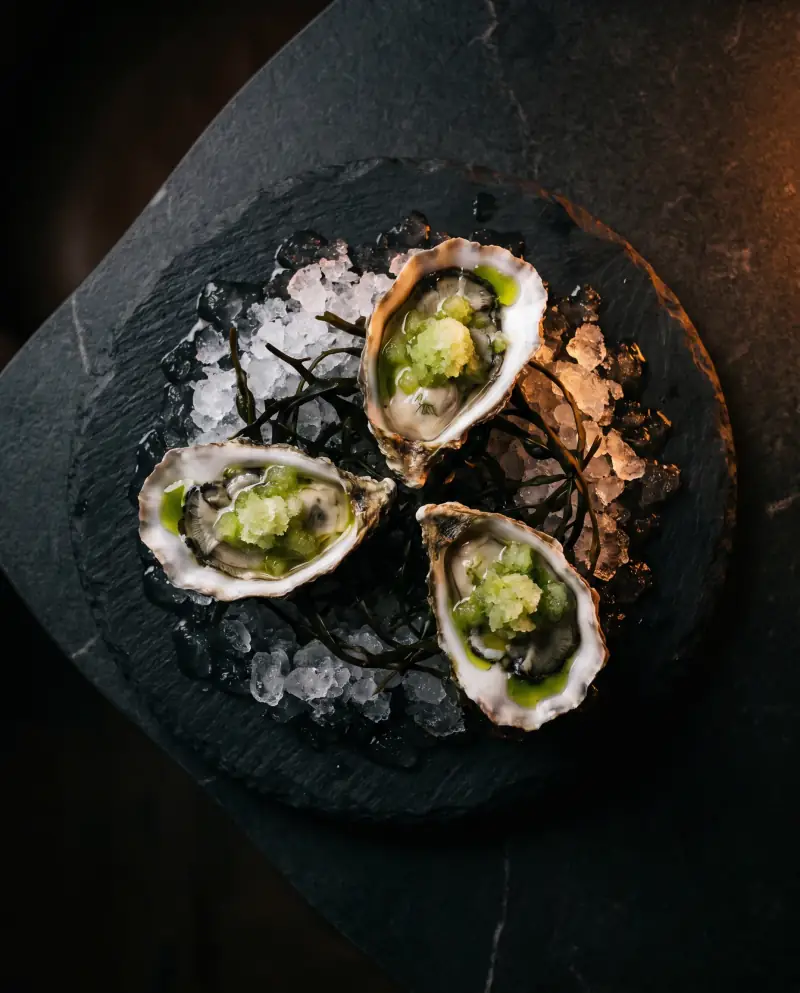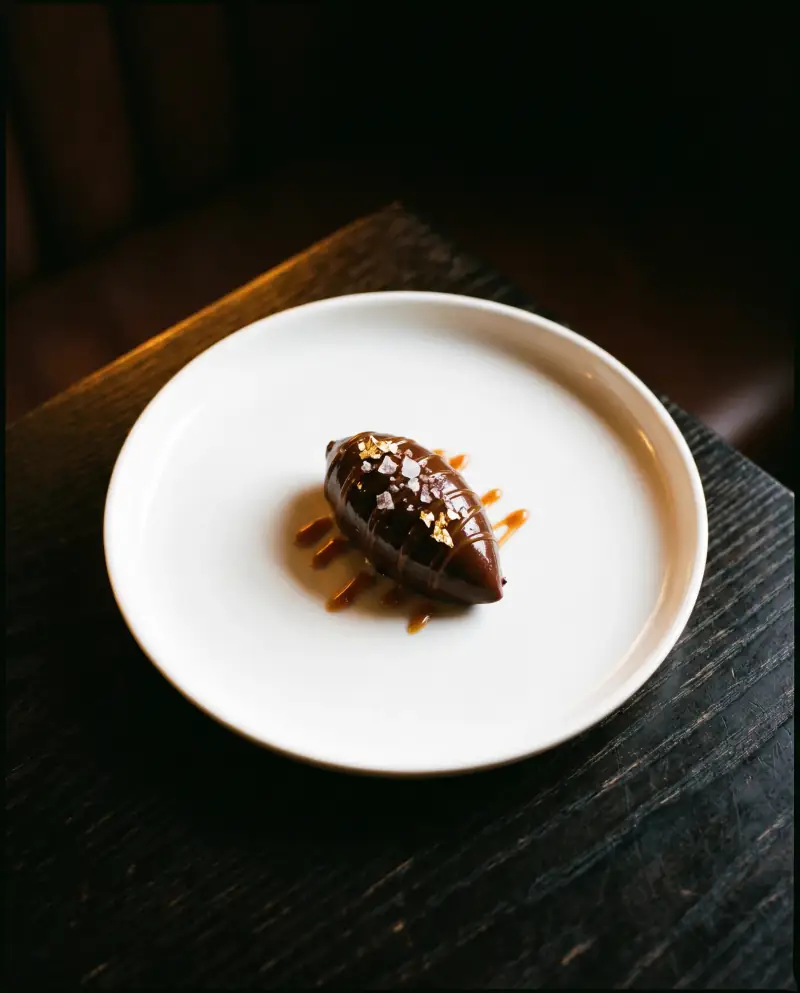
The tasting menu has become, in twenty years, the dominant format of Western haute gastronomy. From Mirazur to Plénitude via Les Embruns, starred and Sélection Tables d'Auteur tables serve almost exclusively this imposed format. But what is a tasting menu, exactly?
Definition
The tasting menu is a succession of short courses (typically 5 to 18 services), composed by the chef without individual customer choice. Each plate represents an idea fragment — technical gesture, signature product, flavor pairing — designed to flow with previous and following ones in global narration.
Conversely, the traditional à la carte offers a list of dishes from which the customer composes their meal (starter + main + dessert generally). À la carte favors individual choice, tasting menu favors chef coherence.
Historical origins
Western tasting menu inherits from two distinct traditions. First Japanese omakase ('I trust you'), where sushi chef composes the meal according to day's market. Then French nouvelle cuisine (1970-80, Bocuse, Guérard, Senderens) which fragmented classical dishes into smaller portions to rhythm the meal.
Fusion happens in the 90s-2000s: starred chefs (Adrià at elBulli, Robuchon, Pic) impose tasting menu as premium format. At elBulli, the menu could reach 35 services. Today's global starred average is 7-12 services.
Typical structure of a 7-course tasting menu
- Welcome bite (free): 1-3 welcome morsels, first gestures
- Course I: fresh amuse-bouche, terroir signature (oyster, raw, marine)
- Course II: raw or barely cooked starter (carpaccio, tartare)
- Course III: hot worked starter (confit vegetables, complex stock)
- Course IV: noble fish, mastered minute cooking
- Course V: meat or main fish (long cooking, signature sauce)
- Course VI: pre-dessert or cheese (palate transition)
- Course VII: signature dessert (texture + hot-cold + fruit)
- Mignardises (free): 3-5 small final sweet bites
Average duration
Count 2h00 to 3h30 depending on number of courses and ambiance. At Les Embruns, 7 courses = 2h30 average, sometimes 3h on Saturdays. Beyond 12 courses, you enter 'grand menu' format which can exceed 4 hours (Mirazur, Plénitude). A required table discipline.
Courses flow at precise tempo. Chef sends when previous course is finished for 80% of the room (visual measure). Too early = tension. Too late = languish. It's orchestration work distinguishing good services from great services.
2026 average price
- Sélection Tables d'Auteur (4-5 course lunch formula): €35-45
- 1-star gastronomic restaurant (5-7 courses): €90-130
- 2-star gastronomic restaurant (7-9 courses): €150-220
- 3-star restaurant (10-15 courses): €250-450
- Exceptional tables (Mirazur, Plénitude, Le Calandre): €400-700
At Les Embruns, our single 7-course menu is priced €145 — Sélection Tables d'Auteur-tier value positioning, but with starred ambition in execution. 7-glass wine pairing add-on at €65 brings average ticket to €210 per person, water and coffee included.
« The tasting menu is a promise against chance. We tell the customer: I guarantee you seven precise emotions in a precise order. The customer says yes by choosing nothing. It's a pact. »
Why chefs impose this format
Several reasons converge. Economically: kitchen produces fewer different dishes, manages losses better, optimizes auction purchases. Artistically: chef controls total meal narration, no risk of customer ordering two starters and zero dessert breaking balance. Logistically: 12 covers × 7 courses = 84 plates sent in 2h30, or 33 seconds per plate average — millimetered choreography.
For the customer: tasting menu is the most immersive experience available in haute gastronomy. You don't eat — you witness the translation of a vision. It's also the format where price gap between top and entry tier is best justified: a €90 7-course menu (debut star) vs €145 (Embruns Sélection Tables d'Auteur) vs €320 (confirmed 3-star) offers really perceptible execution gaps.